The Definitive Guide to Deck Maintenance: Maintain Your Investment in Prime Condition
Keeping up a deck is crucial for protecting its beauty and functionality. Regular upkeep can prevent significant damage and costly repairs. Property owners often miss minor issues that, if addressed promptly, can enhance the overall value of their property. This article delivers important information on maintenance, assessments, and selecting appropriate protective coatings. Knowing the distinct demands of different decking surfaces is critical. What precise actions are necessary to keep a deck in top-notch condition?
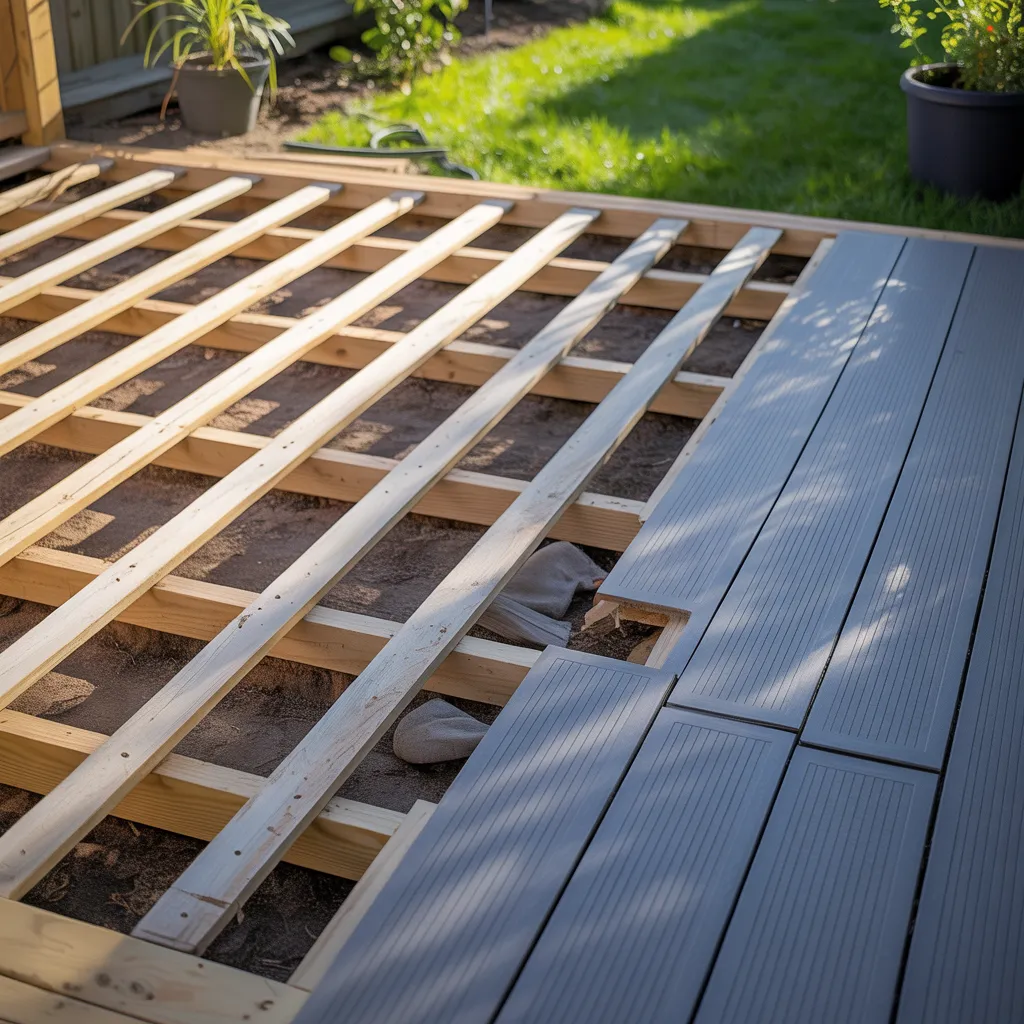
Critical Deck Upkeep: Understanding Its Value and Taking the First Steps
When homeowners neglect deck maintenance, they risk significant deterioration that can lead to costly repairs. Consistent maintenance is necessary to extend the life of a deck and preserve its visual appeal. With continued exposure to weather conditions, wood may warp, decay, or accumulate mold, undermining the deck's structural stability. Additionally, failing to address minor issues promptly can escalate into major problems that require extensive repairs or even replacement.
To begin, homeowners should establish a regular upkeep plan that encompasses checking the deck for signs of wear and damage. Basic duties, such as clearing debris and looking for loose boards, can stop more severe complications. Utilizing protective coatings and sealants can also strengthen resilience against the elements. By making deck maintenance a priority, homeowners not only safeguard their investment but also develop an appealing outdoor setting for family and friends to enjoy.
How to Clean Your Deck: Step-by-Step Guide
A thorough cleaning of the deck is essential for its upkeep and longevity. To start, all furniture and debris should be removed from the area, ensuring easy access to every surface. Next, a broom or blower can be used to remove leaves, dirt, and dust. Subsequently, a solution of warm water and an appropriate deck cleaning product should be used, whether applied by hand or with a pressure washer on a low setting to prevent any damage.
Scrubbing with a stiff-bristled brush is effective at loosening tough stains and grime. Once the scrubbing is complete, it is vital to rinse the deck with clean water to remove any residue from the cleaner. To achieve optimal results, the deck must be given adequate time to dry fully. This process not only elevates the deck's overall appearance but also sets it up for any upcoming maintenance treatments, keeping the wood safeguarded and attractive.
Deck Maintenance: Choosing the Right Sealant
Following a thorough deck cleaning, picking the correct sealant plays a vital role in maintaining its integrity and appearance. A wide range of sealant options exist, including penetrating, surface, and film-forming options. Penetrating sealants work by seeping deep into the wood, providing deep protection against moisture, while surface sealants establish a shielding barrier that defends against sun damage and general wear.
When selecting a sealant, considerations like climate, wood type, and preferred finish should be taken into account. For instance, softer woods may demand a more pliable sealant to handle expansion and contraction. Furthermore, the longevity and maintenance requirements of each sealant type can affect the decision. Some sealants need reapplication every few years, while others offer extended protection. At the end of the day, selecting the right sealant not only boosts the visual appeal of the deck but also prolongs its life, guaranteeing the investment holds its value over time.
Spotting and Addressing Common Deck Problems
Those who own decks commonly experience a variety of recurring issues that may affect both structural integrity and visual appeal. One prevalent issue is wood rot, which occurs due to prolonged exposure to moisture. Spotting deteriorated sections during routine checks enables prompt action; substituting deteriorated wood is necessary to copyright the deck's structural soundness.
Another common concern is squeaky or unstable boards, commonly stemming from general deterioration. Tightening screws or replacing fasteners can address these problems, boosting comfort and overall safety. Additionally, cracks and splinters can develop over time, posing a risk of injury. Sanding rough areas and applying a suitable sealant can reduce these hazards.
Ultimately, mold and mildew development can detract from a deck's aesthetic appeal. Regular cleaning with appropriate solutions will help keep surfaces pristine. By actively detecting and resolving these problems, deck owners can preserve the lifespan and beauty of their outdoor living spaces.
What You Should Know for Seasonal Deck Upkeep
Seasonal deck upkeep requires careful attention to avoid damage caused by weather and to copyright the deck's overall condition. Developing a structured cleaning and sealing plan is essential for protecting the surface and extending its lifespan. By keeping these aspects in mind, homeowners can be confident their decks continue to be secure and attractive throughout the year.
Weather Damage Prevention Strategies
As climate conditions change across the seasons, homeowners must prioritize preventive measures to protect their decks from potential damage. Throughout winter, accumulated snow and ice may cause moisture-related concerns, so proper drainage and snow removal are essential. In the spring season, excessive rainfall can cause wood to expand or warp; as a result, maintaining clear gutters assists in redirecting water away from the structure. Prolonged summer sun exposure may cause surfaces to fade and develop cracks, making it wise to contemplate shade solutions like umbrellas or canopies. In autumn, falling leaves can trap moisture, leading to mold growth; routine cleaning is absolutely essential. By addressing these seasonal challenges proactively, homeowners can considerably increase their deck's longevity while sustaining its attractive appearance.
Maintenance and Sealing Schedule
Keeping a deck in good shape requires more than just guarding against weather-related deterioration; routine cleaning and sealing serve as vital elements of a successful maintenance plan. Seasonal changes necessitate a cleaning schedule to remove dirt, mold, and mildew, which can compromise the deck's surface. As a general rule, comprehensive cleaning should take place in spring and fall, making use of a mild cleanser and a power washer for optimal outcomes.
Beyond cleaning sealing protects the wood from moisture and sun damage. Sealing is typically recommended every two or three years, according to the deck's level of elemental exposure. Homeowners should monitor the deck's condition; indications of wear may require more regular sealing. By adhering to this schedule, the durability and visual appeal of the deck can be greatly increased.
Deck Care: Essential Differences Between Wood and Composite Materials
Grasping the important distinctions between wood and composite decking is crucial for effective upkeep and durability. Wood decking, even though aesthetically pleasing, necessitates consistent attention, including coating and sealing to defend against moisture and UV damage. Over time, wood may crack and warp, requiring repairs or replacements.
On the other hand, composite decking is composed of a blend of wood fibers and plastic, delivering superior resistance to pests and weather. This material doesn't require staining or sealing, significantly minimizing maintenance efforts. That said, it could still benefit from periodic cleaning to avoid mold and mildew growth.
While wood can be sanded to remove imperfections, composite decking cannot be refinished in the same manner. Each type has unique maintenance needs, making it crucial for homeowners to recognize these differences to make certain their deck maintains its best condition for years to come.
Five Vital Tips to Maximize Your Deck's Lifespan
Durability is a primary consideration for any deck owner, as a well-maintained deck not only improves outdoor living but also protects the investment made in it. To prolong a deck's lifespan, routine cleaning is necessary; removing dirt, debris, and mold helps prevent decay. Moreover, using a sealant or stain application every few years creates a defensive layer against harsh moisture and damaging UV rays.
Checking the deck periodically for signs of wear, such as loose boards or rusted hardware, enables prompt repairs, avoiding further deterioration. It is equally important to avoid placing plants and furniture on the deck's surface to avoid moisture retention, which can lead to rot. In addition, using proper drainage systems guarantees that water does not accumulate, preserving linked resource the foundation below. By applying these five key guidelines, property owners can substantially increase the longevity of their outdoor investment.
Frequently Asked Questions
How Regularly Should I Examine My Deck for Damage?
Decks ought to be examined a minimum of two times per year, with spring and fall being the optimal times. Consistent evaluations for damage, wear, and problems caused by moisture can help maintain structural integrity and prolong the lifespan of the deck.
Can I Paint Over My Sealed Deck?
It is possible to paint over a sealed deck, but it does require adequate preparation. The surface must be thoroughly cleaned and lightly sanded to ensure strong adhesion. Compatible products are essential for achieving long-lasting results.
When Is the Ideal Time of Year for Deck Maintenance?
The optimal time for deck maintenance is early fall or spring. Throughout these periods, temperatures are mild, lowering the likelihood of severe weather disruptions, and allowing for effective cleaning, sealing, and painting without adverse conditions.
Can You Find Eco-Friendly Deck Cleaning Products?
Yes, there are a number of eco-friendly deck cleaning solutions available, including vinegar, baking soda, and commercially produced biodegradable cleaners. Such options are effective at removing mildew and dirt while reducing environmental impact and protecting local flora and fauna.
How Can I Improve My Deck's Drainage?
To enhance deck drainage, ensure proper slope away from the house, set up drainage channels, clear gutters, and consider permeable materials. Regular maintenance, such as cleaning debris, further improves water flow and reduces pooling.